QiagenGeneGlobe
icon_0009_cart-s Cart
icon_0071_person-s My account
hero image

Microbes and microbiomes

Finding, identifying and counting microbes across health, food and agriculture

From single organisms to whole communities: Detecting and quantifying microbial life with NGS and dPCR

Detecting one organism and profiling a whole community are different measurement problems, and they take different methods. The applications below span both, from single-pathogen quantification to community-scale sequencing.
Hantavirus detection

Hantavirus detection

How much virus is in a sample, and is that number rising? Digital PCR returns that result as an absolute count that holds over time and across sites.
Read more
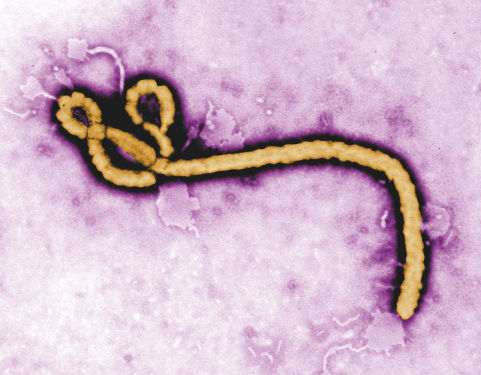
Ebolavirus detection

Ebolavirus detection

Countermeasure efficacy is judged by viral load reduction. Digital PCR counts ebolavirus RNA without a standard curve, so numbers hold across studies and facilities.
Read more
Foodborne illness

Foodborne illness

Foodborne pathogens sit at a few cells per sample, unevenly spread through a lot. Finding them, and naming the outbreak strain, call for sensitive molecular detection.
Read more
Waterborne illness

Waterborne illness

Waterborne pathogens can be present and still not grow in culture. Reading nucleic acid directly finds what a plate misses, from drinking water to wastewater surveillance.
Read more
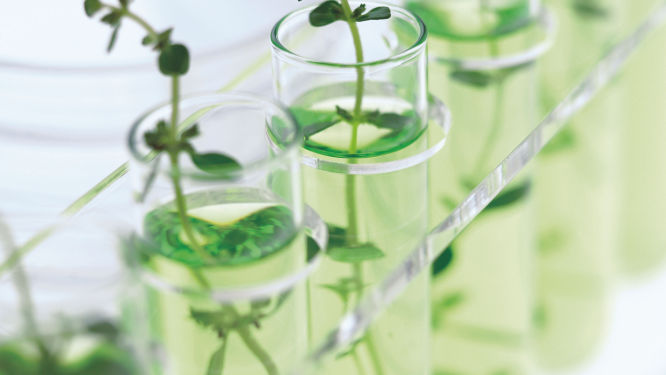
Plant pathogens

Plant pathogens

By the time a crop shows symptoms, the pathogen has been there for weeks. Detecting it earlier means working at low copy numbers, in soil and tissue that fight the assay.
Read more
Biofertilizers

Biofertilizers

Soil is already full of organisms closely related to the inoculant. Telling yours apart from the rest, and knowing if it survived, calls for strain-level detection tools.
Read more
Biopesticides

Biopesticides

A microbial product is only as good as what is in the vial. Confirming the organism's identity, and screening for what else grew with it, call for species-level detection.
Read more