
qBiomarker™ Somatic Mutation PCR Array Human Bladder Cancer
Specification
Resources
Kit Handbooks & Protocols (1)
Scientific documents (5)
Software-related downloads (1)
Specialized Protocols (7)
Validation & Technical Documentation (2)
Safety Data Sheets (1)
Certificates of Analysis (1)
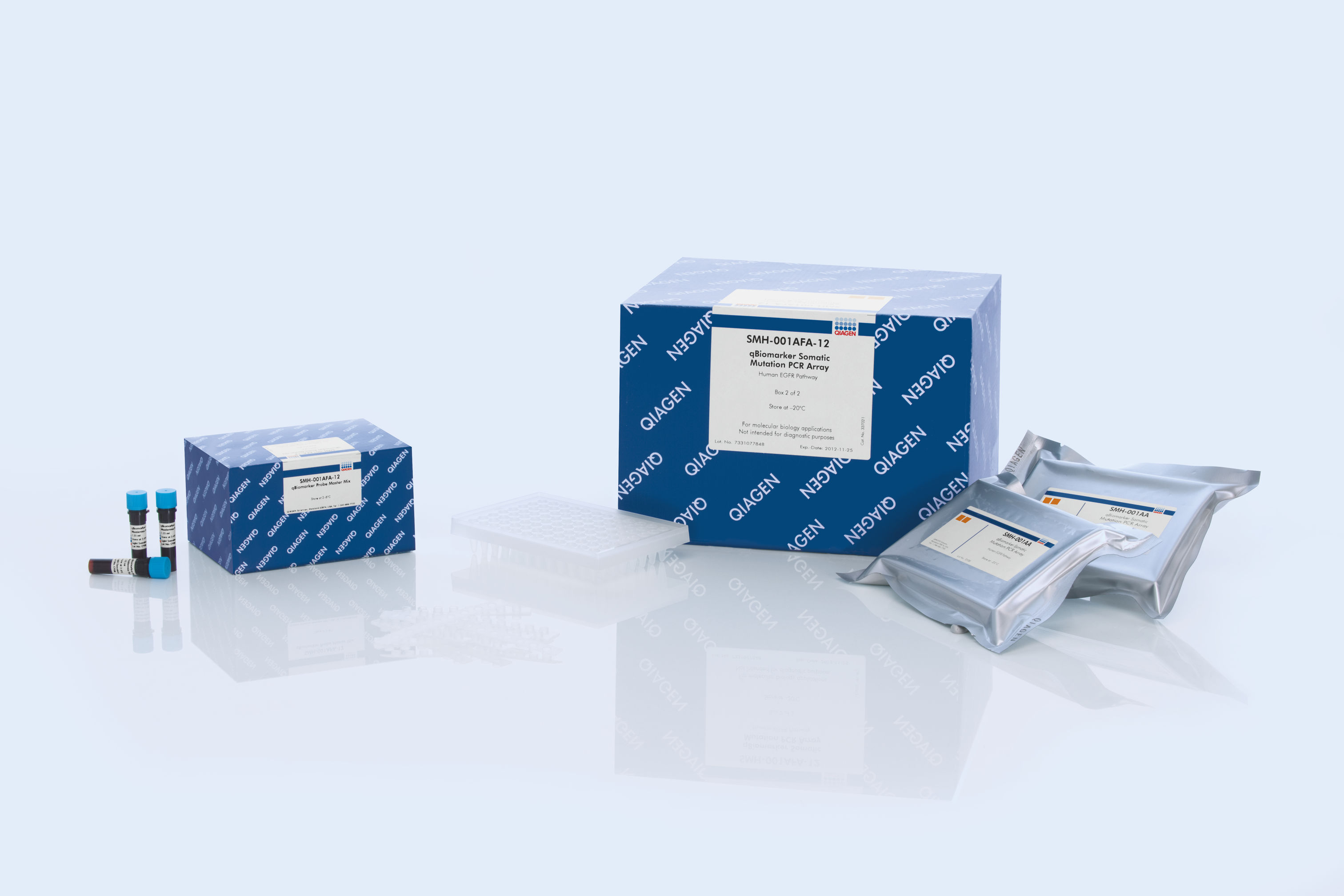
Introducing the qBiomarker™ Somatic Mutation PCR Array Human Bladder Cancer, a cutting-edge addition to our qBiomarker Somatic Mutation PCR Arrays lineup, specifically designed for Mutation/Variant Detection applications. This premium product offers unparalleled performance for researchers working with Human models. Leveraging advanced technology, the qBiomarker™ Somatic Mutation PCR Array Human Bladder Cancer facilitates accurate and reliable results, making it an indispensable tool for your scientific investigations. Whether you're conducting Mutation/Variant Detection, or any other sophisticated analyses, this product from our qBiomarker Somatic Mutation PCR Arrays collection ensures optimal efficiency and reproducibility for Human studies. Embrace the future of research with qBiomarker™ Somatic Mutation PCR Array Human Bladder Cancer and elevate your work to new heights.